Home / Coverage / Industry / Restoration

SEO for restoration companies that wins the 2am call

Water, mold, fire. When disaster hits, I make your company the one they find and the one they trust.

The reality

The call comes at 2am

It is 2am and your phone buzzes. A pipe has burst in someone's kitchen, water is spreading across the floor, and the homeowner is standing in it in their socks, searching Google with one wet thumb: emergency water damage repair near me. They are not comparing five companies. They are calling the first one that looks capable and available.

That scene is restoration SEO in miniature. But water is only one version of the call. Sometimes it starts slower: a musty smell that will not go away, black spots spreading across a bathroom ceiling, a child coughing every night at home. Nobody searches for mold removal casually. They search symptoms first, is black mold dangerous, weeks before they ever type mold removal near me. The company that answered those early questions is the familiar name when the inspection finally gets booked.

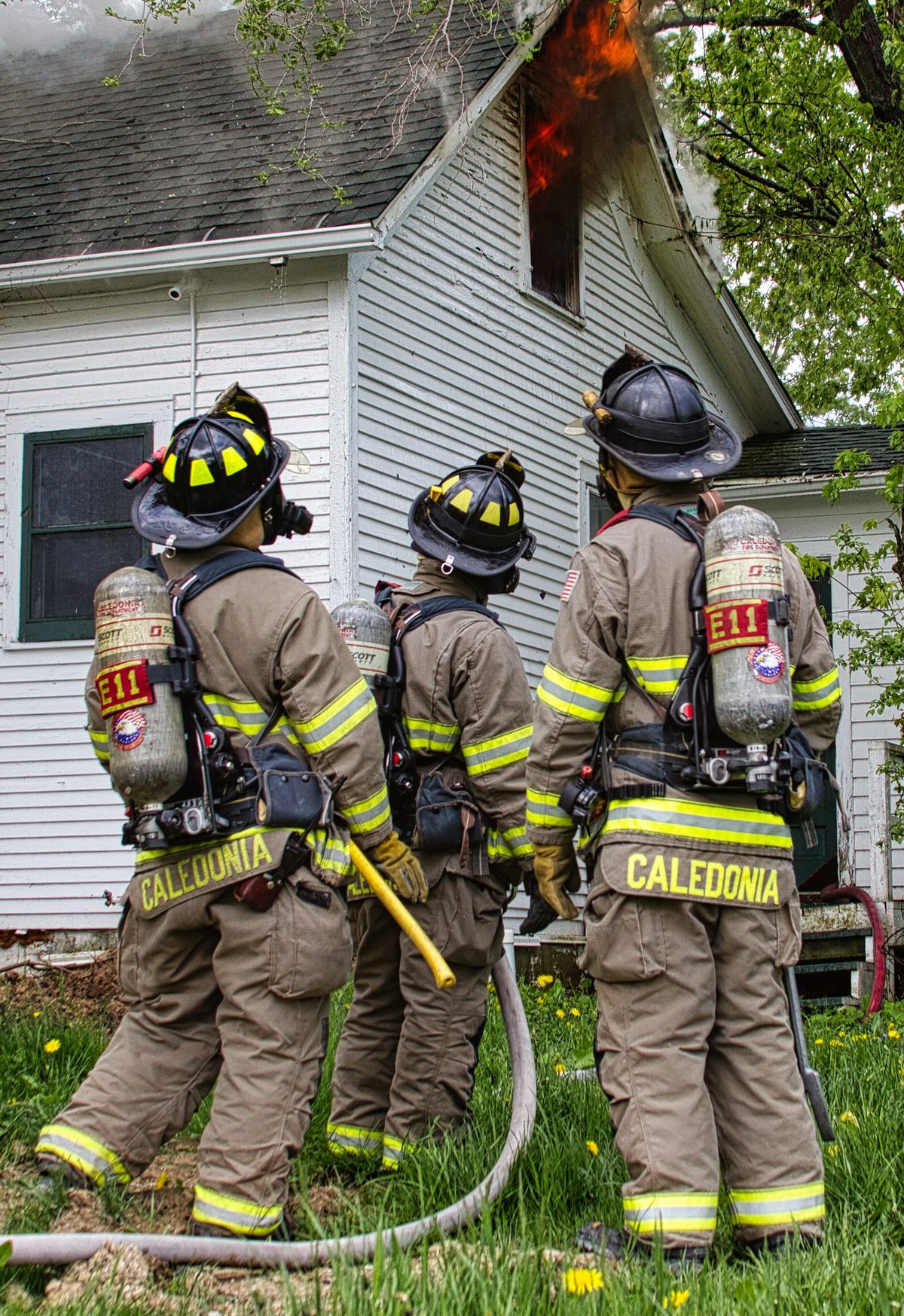
And then there is the hardest version. The flames are out, but the family is in a hotel, the insurance adjuster is asking questions they cannot answer, and the roof is open to the sky. Nobody comparison-shops fire restoration the way they shop for a painter. They are overwhelmed, on a clock set by their insurer, and they need the steadiest option they can find.

I do SEO for restoration companies, and this emotional reality is the entire strategy. Emergency searches convert the moment you rank. Insurance-driven searches, does homeowners insurance cover water damage, form a second layer most restorers never target. And behind both sits a quieter channel: the adjusters, property managers, and contractors who recommend a restorer they trust and search in their own way. The same urgency shapes the plumbing companies I work with, but restoration adds the insurance dimension on top. I build for all of it.

Water

Water does not wait for business hours

A pipe bursts at 2am. A washing machine hose lets go while the family is at work. A storm pushes water under the garage door. Speed is the product here as much as extraction equipment is, and your entire online presence has to say one thing: we will be there fast, and we have done this a thousand times.

For emergency trades the map pack is everything. Correct categories, service-area settings that match where your crews actually go, photos of real jobs and real trucks, and reviews that mention fast response. Most competitors run half-finished profiles, so getting this right alone moves the needle.

Then the pages. Burst pipe, flooded basement, sewage backup, storm damage, ceiling leak: each is a distinct search with distinct intent, and each deserves its own page that speaks to the specific panic behind it and ends with a tap-to-call button. One generic water damage page cannot do this job, and it lets you rank in every town you serve without thin doorway pages.

Reviews get engineered around the relief moment: when the equipment is picked up and the home is dry. A profile full of they were here within the hour is the highest-converting asset a restoration company can own. Homeowners across the USA follow this exact path from panic search to booked crew, and one rule governs all of it: never advertise 24/7 unless someone truly answers at 3am. A missed call while your site promises instant response does more damage than honest hours.

  • One page per emergency, never one generic water damage page doing five jobs badly.
  • Win the map pack first. That is where the 2am calls come from.
  • Ask for the review when the equipment leaves and the house is dry.
  • Your site must load fast on a shaky mobile connection, because that is where the search happens.
Mold

A mold search is a fear search

They found the black spots, or the cough will not go away, or the home inspector flagged the attic. They are worried about health, about cost, and about whether it is worse than it looks. Your website is not selling a service here. It is calming a fear, and the company that does that best gets the inspection booking.

That changes what the site must prove, and fast. Competence: certifications like IICRC, visible, never buried three clicks deep. Process: inspection, containment, removal, clearance testing, explained in plain words so people know what happens when you walk through their door. Honesty: what you will and will not claim about health effects. Locality: the real areas you serve, with local proof. Stock photos destroy all of it in seconds. Real containment work builds it.

The smartest mold SEO starts before mold removal near me. Symptom content, why does my house smell musty, black spots on the bathroom ceiling, captures people at the research stage and builds the topical authority that lifts everything else you publish. When the inspection decision comes, you are the familiar name instead of a stranger.

And restraint matters more here than in almost any trade. Mold is health-adjacent, and promising a mold-free home forever invites skepticism and trouble. Measured, expert language converts better because it reads like an expert, not a salesman.

  • Target symptom searches, not just mold removal near me. The customer journey starts weeks earlier.
  • Put certifications and real job photos where nobody can miss them.
  • Give the inspection its own page. It ranks, it pre-sells the visit, and it filters out price shoppers.
  • Keep every health claim measured. Experts do not oversell.
Fire

The week after the fire is its own world

Your website has to be the calmest thing this person encounters all week. Clear process explanations beat clever copy. Visible certifications beat slogans. A real number answered by a real person beats every form on the internet. Build for the overwhelmed searcher and the rankings follow, because Google rewards the pages that actually satisfy desperate queries.

Fire damage is not one search, it is a sequence, and most companies try to cover all of it with a single page. Tonight's emergency: emergency board up service. Then the assessment phase: smoke damage cleanup, soot removal, how to get smoke smell out of house. Then the rebuild: fire damage reconstruction. Each phase deserves its own page, written for the mindset of that exact moment.

Build the board-up page first. It captures the most urgent search in the trade, competition is thin, and getting inside the property first usually means winning the restoration work too. Then add the page almost nobody has: fire debris removal. It costs little and captures work your competitors leave on the table.

Underneath the consumer content, build the quiet B2B layer. A large share of fire jobs comes from adjusters, property managers, and contractors who recommend a restorer they trust. They search differently and they buy differently: credentials front and centre, proof of capacity, a commercial services page. Operators across the UK win these jobs the same way everyone does: by being the calmest, clearest option in a chaotic moment. One of those B2B relationships can send five-figure jobs on repeat.

  • Sequence the pages: board-up first, then smoke and soot, then the rebuild. Order matters.
  • Write a commercial page for the adjusters and property managers who send repeat work.
  • Add the debris removal page your competitors do not have.
  • No stock photos of flames, no slow hero videos. Speed and clarity win this trade.
The pattern

Three disasters, three different searches

Same trade, three completely different search behaviors. Your site has to serve all three without blurring them together, because the person standing in water and the person researching a musty smell are in different emotional states and need different proof.

DisasterWhen they searchWhat wins the call
Water damageAt 2am, standing in itSpeed, the map pack, a number that answers
MoldAfter weeks of worryTrust, proof, calm expertise
Fire damageThe hardest week of their lifeClarity, capacity, steadiness
The plan

How I would rebuild your rankings

Every restoration market is different, but the rebuild follows the same order. Urgency first, trust second, depth third.

  1. Map every emergency.

    Burst pipe, flooded basement, sewage backup, board-up, smoke damage, mold inspection: each gets listed, and each gets a page that matches its intent. No more one generic page doing five jobs badly.

  2. Rebuild the map pack.

    Categories, service areas that match where your crews actually go, real photos of real work, and a review flow timed to the relief moment, when the customer feels the problem is handled.

  3. Build the trust pages.

    Process explanations in plain words, certifications where nobody can miss them, honest FAQs, and the insurance and claims content your competitors ignore.

  4. Add the B2B layer.

    Commercial pages written for adjusters and property managers, with proof of capacity and credentials up front. This is where the repeat five-figure jobs come from.

  5. Prove it with calls.

    Rankings are the means, not the goal. We track which pages and searches produce real booked jobs, then double down on what works.

The test

Your homepage gets five seconds

A restoration homepage has five seconds to answer four questions: do you handle this disaster specifically, do you serve my area, are you available now, and can I call you with one tap? Everything else is secondary.

So the phone number lives in the header on every page. The service area is stated plainly. Hours are honest. Below that comes the trust stack: certifications, a plain-English walkthrough from first call to finished job, and real photos of real work. The person visiting this page is having the worst week of their year. Respect that with speed, clarity, and a human voice.

FAQs

Restoration questions, answered.

Yes. They are distinct searches with distinct intent, and Google rewards the match. Think hub and spoke: an overview page for the trade, then dedicated pages for each disaster and each phase within it. One generic page trying to rank for all three loses to focused pages every time.
Map pack and review fixes can move within weeks, which matters enormously because emergency intent converts immediately. Durable organic rankings for the competitive terms typically take three to six months. The urgency of this trade means even early visibility gains turn into booked jobs fast.
Only advertise what you can deliver. If your crew truly answers at 3am, say so on every page, in the headline area. If not, market your real hours brilliantly instead. A missed 3am call while your site promises instant response costs more than honest stated hours.
A large share of restoration work, especially fire and large water losses, comes from insurance adjusters, property managers, and contractors who recommend a restorer they trust. They search differently: company names, commercial terms, credentials. A quiet B2B layer on your site, commercial pages plus proof of capacity, converts them into repeat business.
Only if you overclaim. Keep health language measured, never guarantee outcomes you cannot control, and let certifications and process do the persuading. Honest, expert content converts better than hype, and it keeps you clear of trouble.
Plenty. Job-type and phase-specific pages, neighboring towns served properly, insurance and claims content, and the B2B layer. Most established restorers rank for their name and one or two terms while leaving the rest of the search landscape open.
Calls and booked jobs, tracked back to the pages and searches that produced them. Rankings get reported too, but they are the means, not the goal.
Related reading

SEO guides for restoration companies.

Let's rank

Ready to dominate restoration companies?

Book a free 30-minute strategy call. I'll audit your current visibility live and tell you exactly what it would take to reach the top 3.