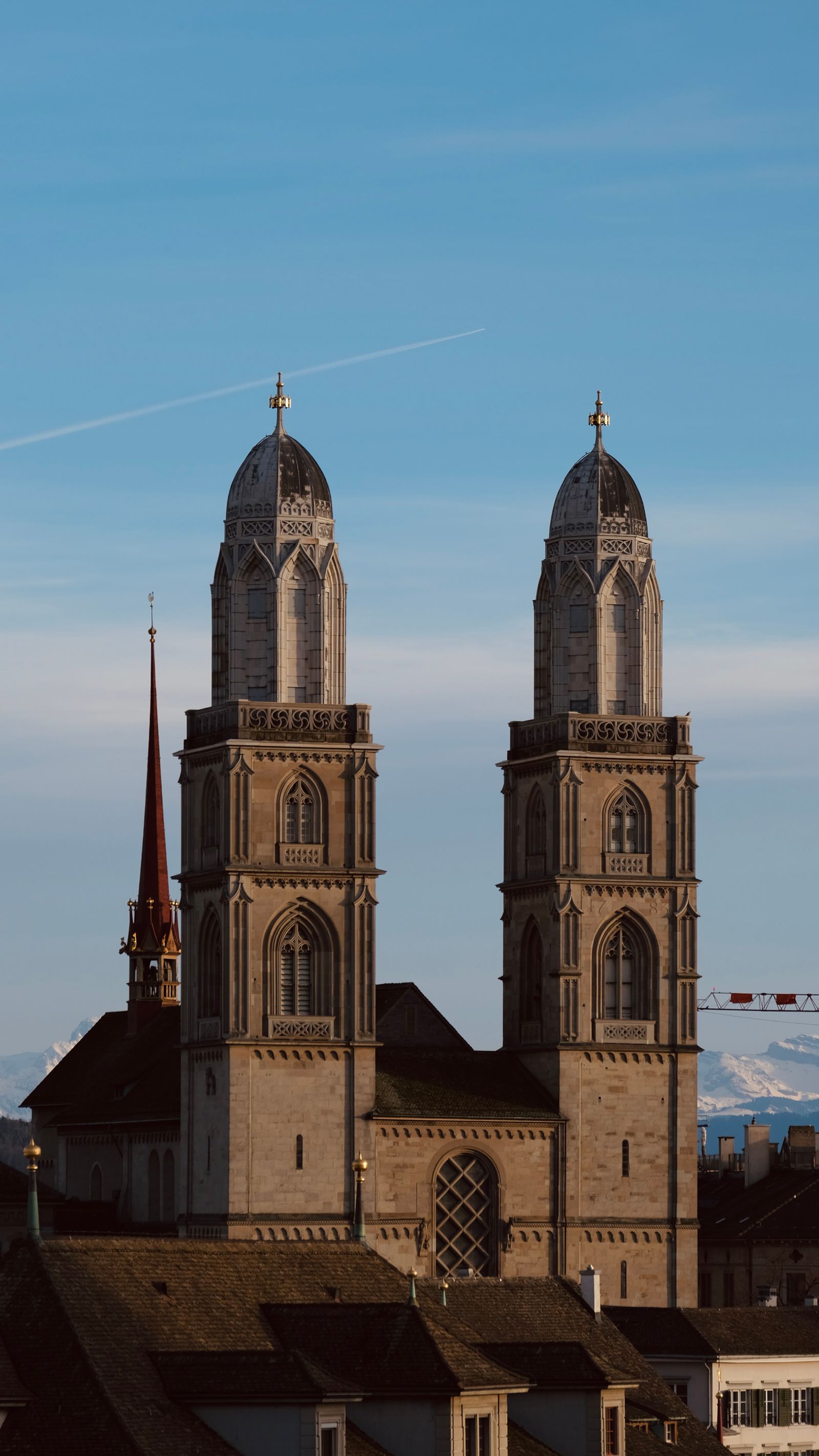
Why Switzerland businesses choose me
Switzerland is the most demanding market I work in, and the most rewarding when you get it right. This is not an EU country with EU rules and one language. It is a multilingual, high-trust, high-precision economy where buyers expect excellence and check everything twice. Zurich runs finance. Basel runs pharma. Geneva runs watches, luxury and international organizations. Bern runs the federal government. Each of these hubs searches differently, buys differently, and, crucially, speaks a different language: German in the east and center, French in the west, Italian in the south, Romansh in pockets of the southeast. An SEO strategy that treats Switzerland as one market in one language fails on arrival. The commercial logic is compelling. Swiss purchasing power is among the highest in the world, and Swiss Google Ads clicks are among the most expensive in Europe, which makes organic search the economically sane acquisition channel. Swiss ecommerce alone was valued at USD 18.19 billion in 2025 and keeps growing. But Swiss buyers do not convert on hype. They research thoroughly, read reviews carefully, verify credentials, and choose the business that feels most precise and trustworthy. Vague claims and stock photography do not survive contact with a Swiss buyer. Documented quality does. The regulatory picture is its own discipline. Switzerland is not in the EU, so the GDPR does not apply directly. The revised Federal Act on Data Protection, the nDSG, took effect on 1 September 2023 with fines up to CHF 250,000, mandatory breach reporting and extraterritorial scope. Your consent banners, forms and analytics must follow Swiss rules, which resemble the GDPR without being identical. I build nDSG compliance into every Swiss engagement from the start, because retrofitting it later is expensive and embarrassing. Google holds around 82 percent of Swiss search, lower than in neighboring markets, with local.ch and search.ch as the directory layer that matters. I am a one-person studio, which fits Switzerland: direct accountability, no telephone game, work done by the person you hired. The audit is free, the strategy respects all four languages and the nDSG, and I start where Swiss buyers make their decisions: in the search results, in their language, with proof. One thing Swiss clients ask me early: do you actually work in all the languages? The honest answer is that I plan and direct multilingual campaigns with native-quality standards for German, French and Italian content, so what ranks reads as native to each audience. Machine-translated pages do not survive contact with Swiss buyers, and I do not publish them.
My client list stays deliberately small, so your Swiss business gets hands-on work and straight answers — never a ticket queue, never a junior account manager.
- ✓Free audit shows exactly where you stand
- ✓Fixed monthly plan — no hourly billing surprises
- ✓Reports in plain language, every month